The Invisible Shield: Why KEBS Standards are Non-Negotiable for Your Water Tank in Kenya
In a country where reliable water access can sometimes feel like a luxury, investing in a good water tank is more than just a purchase—it's a commitment to your household's or business's well-being. But with so many options flooding the Kenyan market, how do you ensure you're getting a tank that won't just hold water, but will keep it safe, last for years, and truly offer value for your hard-earned money? The answer lies in one critical acronym: KEBS.
The Kenya Bureau of Standards (KEBS) is the national body responsible for setting and enforcing quality standards for products sold in Kenya. For water tanks, especially those made from plastic, KEBS certification isn't just a fancy label; it’s your guarantee of quality, safety, and durability. Ignoring it can lead to health risks, financial losses, and endless frustrations. Let's dive deep into why KEBS standards should be at the top of your checklist when choosing a water storage solution.
What Exactly are KEBS Standards for Water Tanks?
KEBS develops specific standards that plastic water tanks must meet before they can be sold to consumers. For polyethylene water tanks, the primary standard is KS ISO 23874:2006 : Rotational moulded polyethylene water storage tanks . This standard outlines a comprehensive set of requirements, ensuring that tanks manufactured and sold in Kenya adhere to strict quality controls. It covers everything from the type of raw material used to the tank's structural integrity and ability to withstand environmental factors.
Why These Standards Matter for You:
- Material Purity: KEBS ensures that tanks are made from virgin, food-grade polyethylene (HDPE or LLDPE), meaning the plastic hasn't been recycled from unknown sources that could leach harmful chemicals into your drinking water. This is paramount for your family’s health.
- UV Stabilization: Kenya's sun is no joke. KEBS-compliant tanks contain UV stabilizers that prevent the plastic from degrading, becoming brittle, or cracking under prolonged sun exposure. This significantly extends the tank's lifespan.
- Structural Integrity: No one wants a collapsing tank! KEBS standards dictate minimum wall thickness and robust design to ensure the tank can hold its stated volume of water without bulging, deforming, or failing under pressure.
- Hygienic Design: The internal surface of a KEBS-certified tank is smooth and non-porous, discouraging the growth of algae and bacteria. This makes cleaning easier and helps maintain water quality.
- Leak-Proof Assurance: Proper manufacturing processes, as stipulated by KEBS, minimize the risk of leaks, saving you from water loss and potential property damage.
Think of KEBS as your silent guardian, ensuring that every water tank bearing its mark has passed rigorous tests and meets the benchmarks for performance and safety.
The Hidden Dangers of Non-KEBS Compliant Tanks
It can be tempting to go for the cheapest tank on the market, especially when prices for a 10,000-litre tank can range anywhere from KES 70,000 to KES 120,000, depending on the brand and quality. However, cutting corners on quality often leads to much higher costs down the line:
- Health Risks: Non-food-grade plastics, often found in cheaper, unregulated tanks, can leach toxic chemicals into your stored water, posing serious health threats over time.
- Premature Failure: Tanks made with inferior materials or lacking UV stabilization will degrade rapidly under the Kenyan sun. Cracks, brittleness, and leaks can appear within months, forcing you to replace the tank much sooner than expected. This means you pay twice!
- Structural Collapse: A poorly constructed tank can deform or even collapse when full, especially if placed on an elevated stand. This can lead to significant water loss, property damage, and even injuries.
- Algae and Contamination: Rough internal surfaces or translucent plastic in non-compliant tanks create ideal breeding grounds for algae and bacteria, compromising your water quality.
- Voided Warranties: Many reputable manufacturers offer warranties (often 5-10 years) on their KEBS-certified tanks. Buying an uncertified tank usually means no warranty, leaving you with no recourse if it fails.
At Restore Services, we understand these frustrations. That's why we commit to supplying and installing only KEBS-certified water tanks from trusted brands. We believe in providing solutions that offer lasting peace of mind, not temporary fixes. Need help choosing the right KEBS-compliant tank for your home or business? Restore Services is here to guide you through the best options available in Kenya.
How to Identify a KEBS Certified Water Tank
Spotting a KEBS-certified tank is straightforward once you know what to look for:
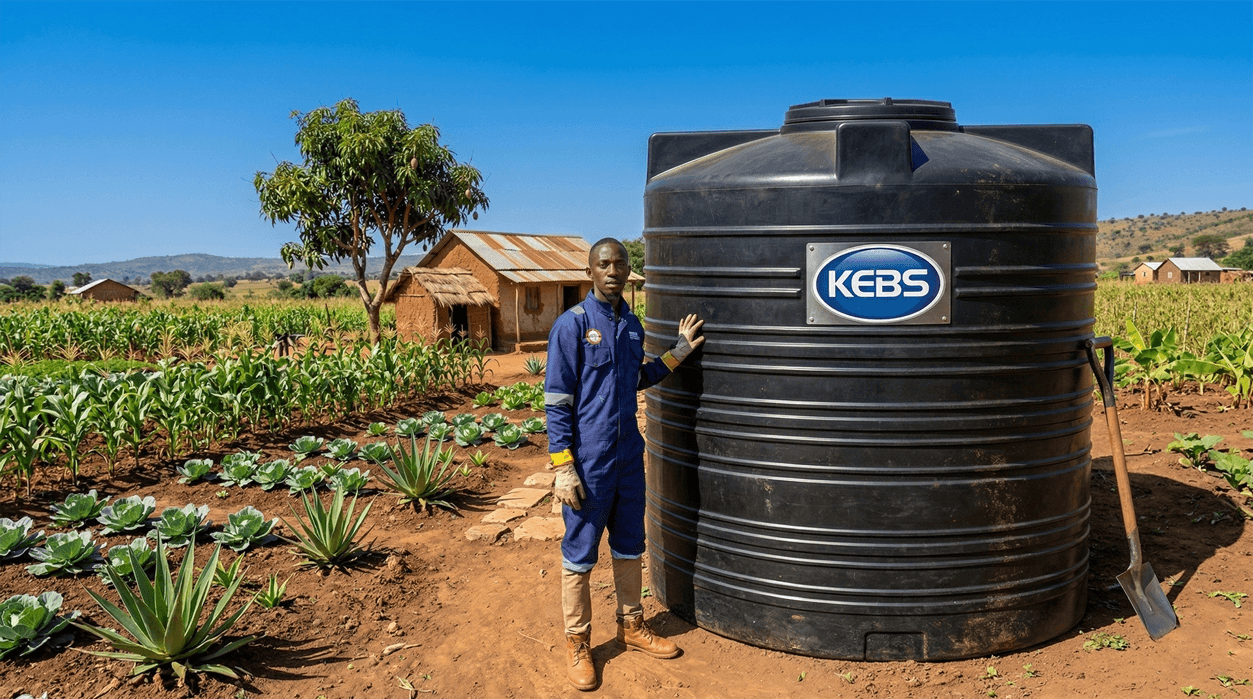
- The KEBS Mark of Quality (S-Mark): This is the most important indicator. Look for the distinctive 'S-Mark' or 'Diamond Mark' logo prominently displayed on the tank itself. This mark signifies that the product has been tested and meets all relevant Kenyan standards.
- Manufacturer's Declaration: Reputable manufacturers will openly declare their KEBS certification on their product labels, brochures, and websites. Don't hesitate to ask for this information.
- Reputable Dealers: Purchase your tank from established and trusted suppliers and installers. Companies like Restore Services prioritize quality and will only stock tanks that meet national standards.
- Check the KEBS Website: For ultimate verification, you can sometimes cross-reference the manufacturer or product details on the official KEBS website, although this might require specific product codes.
Beyond the Tank: The Role of Proper Installation
Even the best KEBS-certified tank needs proper installation to perform optimally and last its intended lifespan. This is where local building codes and best practices come into play:
- Foundation: A tank stand or foundation must be strong enough to support the full weight of the tank and its contents. A 10,000-litre tank, when full, weighs over 10 tonnes!
- Level Ground: The tank must be placed on a perfectly level surface to distribute weight evenly and prevent undue stress on its structure.
- Plumbing: Correct plumbing, including inlet, outlet, and overflow pipes, is essential to prevent leaks and ensure efficient water flow.
- Accessibility: Ensure there's adequate space for future cleaning and maintenance.
Improper installation can compromise even a KEBS-compliant tank, potentially voiding warranties and leading to structural issues. This is why professional installation is not just a convenience, but a necessity. Our team at Restore Services handles professional, KEBS-compliant tank installations across Kenya, ensuring your investment is secure from day one. Learn more about our installation services here.
Warranty Information: Your Long-Term Security
When you choose a KEBS-certified water tank from a reputable brand, you typically benefit from a robust manufacturer's warranty. These warranties usually range from 5 to 10 years and cover manufacturing defects. This gives you peace of mind, knowing that if something goes wrong due to a fault in the tank's production, you're covered.
Always confirm the warranty period and terms with your supplier. A good warranty is a clear indicator of a manufacturer's confidence in their product's quality, which is often directly linked to their adherence to KEBS standards.
Frequently Asked Questions About Water Tank Standards in Kenya
Q1: What is the specific KEBS standard for plastic water tanks in Kenya?
The primary standard is KS ISO 23874:2006 : Rotational moulded polyethylene water storage tanks. This standard details the requirements for materials, manufacturing, performance, and testing of plastic water tanks.
Q2: Can I use a non-KEBS certified tank for drinking water?
While some uncertified tanks might appear similar, it is strongly advised against using them for drinking water. They may not be made from food-grade plastic and could leach harmful chemicals, posing serious health risks. Always prioritize KEBS-certified tanks for potable water storage.
Q3: How often should I check my tank for the KEBS mark?
The KEBS mark is usually embossed or printed on the tank during manufacturing. You only need to verify it at the point of purchase. However, regular visual inspections of your tank for any signs of degradation (cracks, discoloration, bulging) are always recommended as part of your general maintenance routine.
Q4: Does Restore Services only sell KEBS-certified tanks?
Absolutely. At Restore Services, quality and safety are our top priorities. We exclusively source and supply water tanks that meet or exceed KEBS standards from leading Kenyan manufacturers, ensuring you receive a durable, safe, and reliable water storage solution.
Making the Smart Choice for Your Water Future
Choosing a water tank is a significant investment. Don't let a seemingly lower price tag tempt you into compromising on quality and safety. By insisting on KEBS-certified water tanks, you're not just buying a container; you're investing in the health of your family, the longevity of your asset, and the peace of mind that comes with knowing you’ve made a responsible choice.
For expert advice on selecting the perfect KEBS-compliant water tank, professional installation, or any water storage solution, don't hesitate to reach out to Restore Services. We're here to ensure your water future is clear, safe, and sustainable. Contact Restore Services today for a consultation or quote.